Author: Donna Applegate

Enhancing Psychological and Physical Intimacy: The Heart of a Lasting RelationshipEnhancing Psychological and Physical Intimacy: The Heart of a Lasting Relationship


Emotional and physical affection are the twin pillars sustaining a strong and enduring relationship. These interconnected elements, nurtured throughout the life-span of a partnership, form the bedrock of connection, offering a sense of security, understanding, and deep love. While typically related to romantic love, the concepts of affection relate to various close relationships, including familial and platonic bonds. This post focuses primarily on charming collaborations, exploring the value of both emotional and physical intimacy and offering sensible approaches for reinforcing these essential elements of a relationship according to -.

Emotional Affection: The Language of the Heart.

Emotional intimacy involves a deep sense of link and distance with one more individual. It’s about sharing your inner thoughts, sensations, vulnerabilities, and fantasizes without worry of judgment. It flourishes in an atmosphere of count on, compassion, and shared regard. When psychological intimacy is strong, companions feel risk-free to be their genuine selves, knowing they will certainly be approved and understood. This emotional security allows for open and sincere communication, which is vital for browsing life’s challenges together according to -.

Secret elements of psychological affection consist of:.

Vulnerability: Sharing your real self, including your worries, insecurities, and really hopes, enables your partner to truly understand you.
Compassion: Actively paying attention and trying to recognize your partner’s sensations and point of views, also when you don’t necessarily concur.
Open Up Communication: Expressing your thoughts and feelings honestly and pleasantly, creating a room for dialogue and understanding.
Active Listening: Paying attention not simply to the words your companion states, however additionally to their non-verbal hints and the emotions behind their words.
Trust: Believing in your companion’s reliability and honesty, understanding they will be there for you and maintain your self-confidences.
Assistance: Supplying support, understanding, and sensible assistance when your partner needs it.
Physical Affection: Greater Than Just Sex.

Physical intimacy includes more than simply sexual activity. While sex is certainly a significant element of physical intimacy for lots of pairs, it’s important to recognize that physical connection can additionally materialize in lots of non-sexual ways. Holding hands, cuddling, kissing, hugging, and simply being literally close can all add to a feeling of link and intimacy. These physical expressions of love communicate love, treatment, and convenience, enhancing the bond in between companions.

Key elements of physical affection consist of:.

Sexual Intimacy: Participating in sex that is equally rewarding and considerate.
Non-Sexual Touch: Revealing love through hugs, kisses, snuggles, holding hands, and other kinds of physical call.
Physical Distance: Merely being physically near your companion, even if you’re not touching, can create a feeling of closeness and link.
Shared Activities: Participating in activities with each other, such as dance, hiking, or food preparation, can promote physical link and produce shared memories.
Supporting Emotional and Physical Affection:.

Reinforcing emotional and physical affection needs aware initiative and commitment from both companions. It’s an ongoing procedure, not a destination. Below are some useful methods for nurturing these vital facets of your relationship:.

Prioritize Quality Time: Allot specialized time for each various other, devoid of distractions, to attach and communicate. This can include taking place dates, having purposeful discussions, or just hanging out together doing points you both appreciate.
Connect Openly and Truthfully: Produce a risk-free space for open and sincere communication. Share your ideas, sensations, and requires with each other, and actively pay attention to your partner’s viewpoint.
Exercise Empathy and Understanding: Make an initiative to understand your companion’s feelings and perspectives, even if you do not always agree. Try to place on your own in their shoes and see points from their viewpoint.
Enhancing Psychological and Physical Intimacy: The Heart of a Lasting RelationshipEnhancing Psychological and Physical Intimacy: The Heart of a Lasting Relationship


Emotional and physical affection are the twin pillars sustaining a strong and enduring relationship. These interconnected elements, nurtured throughout the life-span of a partnership, form the bedrock of connection, offering a sense of security, understanding, and deep love. While typically related to romantic love, the concepts of affection relate to various close relationships, including familial and platonic bonds. This post focuses primarily on charming collaborations, exploring the value of both emotional and physical intimacy and offering sensible approaches for reinforcing these essential elements of a relationship according to -.

Emotional Affection: The Language of the Heart.

Emotional intimacy involves a deep sense of link and distance with one more individual. It’s about sharing your inner thoughts, sensations, vulnerabilities, and fantasizes without worry of judgment. It flourishes in an atmosphere of count on, compassion, and shared regard. When psychological intimacy is strong, companions feel risk-free to be their genuine selves, knowing they will certainly be approved and understood. This emotional security allows for open and sincere communication, which is vital for browsing life’s challenges together according to -.

Secret elements of psychological affection consist of:.

Vulnerability: Sharing your real self, including your worries, insecurities, and really hopes, enables your partner to truly understand you.
Compassion: Actively paying attention and trying to recognize your partner’s sensations and point of views, also when you don’t necessarily concur.
Open Up Communication: Expressing your thoughts and feelings honestly and pleasantly, creating a room for dialogue and understanding.
Active Listening: Paying attention not simply to the words your companion states, however additionally to their non-verbal hints and the emotions behind their words.
Trust: Believing in your companion’s reliability and honesty, understanding they will be there for you and maintain your self-confidences.
Assistance: Supplying support, understanding, and sensible assistance when your partner needs it.
Physical Affection: Greater Than Just Sex.

Physical intimacy includes more than simply sexual activity. While sex is certainly a significant element of physical intimacy for lots of pairs, it’s important to recognize that physical connection can additionally materialize in lots of non-sexual ways. Holding hands, cuddling, kissing, hugging, and simply being literally close can all add to a feeling of link and intimacy. These physical expressions of love communicate love, treatment, and convenience, enhancing the bond in between companions.

Key elements of physical affection consist of:.

Sexual Intimacy: Participating in sex that is equally rewarding and considerate.
Non-Sexual Touch: Revealing love through hugs, kisses, snuggles, holding hands, and other kinds of physical call.
Physical Distance: Merely being physically near your companion, even if you’re not touching, can create a feeling of closeness and link.
Shared Activities: Participating in activities with each other, such as dance, hiking, or food preparation, can promote physical link and produce shared memories.
Supporting Emotional and Physical Affection:.

Reinforcing emotional and physical affection needs aware initiative and commitment from both companions. It’s an ongoing procedure, not a destination. Below are some useful methods for nurturing these vital facets of your relationship:.

Prioritize Quality Time: Allot specialized time for each various other, devoid of distractions, to attach and communicate. This can include taking place dates, having purposeful discussions, or just hanging out together doing points you both appreciate.
Connect Openly and Truthfully: Produce a risk-free space for open and sincere communication. Share your ideas, sensations, and requires with each other, and actively pay attention to your partner’s viewpoint.
Exercise Empathy and Understanding: Make an initiative to understand your companion’s feelings and perspectives, even if you do not always agree. Try to place on your own in their shoes and see points from their viewpoint.

Enhancing Psychological and Physical Intimacy: The Heart of a Lasting RelationshipEnhancing Psychological and Physical Intimacy: The Heart of a Lasting Relationship


Emotional and physical affection are the twin pillars sustaining a strong and enduring relationship. These interconnected elements, nurtured throughout the life-span of a partnership, form the bedrock of connection, offering a sense of security, understanding, and deep love. While typically related to romantic love, the concepts of affection relate to various close relationships, including familial and platonic bonds. This post focuses primarily on charming collaborations, exploring the value of both emotional and physical intimacy and offering sensible approaches for reinforcing these essential elements of a relationship according to -.

Emotional Affection: The Language of the Heart.

Emotional intimacy involves a deep sense of link and distance with one more individual. It’s about sharing your inner thoughts, sensations, vulnerabilities, and fantasizes without worry of judgment. It flourishes in an atmosphere of count on, compassion, and shared regard. When psychological intimacy is strong, companions feel risk-free to be their genuine selves, knowing they will certainly be approved and understood. This emotional security allows for open and sincere communication, which is vital for browsing life’s challenges together according to -.

Secret elements of psychological affection consist of:.

Vulnerability: Sharing your real self, including your worries, insecurities, and really hopes, enables your partner to truly understand you.
Compassion: Actively paying attention and trying to recognize your partner’s sensations and point of views, also when you don’t necessarily concur.
Open Up Communication: Expressing your thoughts and feelings honestly and pleasantly, creating a room for dialogue and understanding.
Active Listening: Paying attention not simply to the words your companion states, however additionally to their non-verbal hints and the emotions behind their words.
Trust: Believing in your companion’s reliability and honesty, understanding they will be there for you and maintain your self-confidences.
Assistance: Supplying support, understanding, and sensible assistance when your partner needs it.
Physical Affection: Greater Than Just Sex.

Physical intimacy includes more than simply sexual activity. While sex is certainly a significant element of physical intimacy for lots of pairs, it’s important to recognize that physical connection can additionally materialize in lots of non-sexual ways. Holding hands, cuddling, kissing, hugging, and simply being literally close can all add to a feeling of link and intimacy. These physical expressions of love communicate love, treatment, and convenience, enhancing the bond in between companions.

Key elements of physical affection consist of:.

Sexual Intimacy: Participating in sex that is equally rewarding and considerate.
Non-Sexual Touch: Revealing love through hugs, kisses, snuggles, holding hands, and other kinds of physical call.
Physical Distance: Merely being physically near your companion, even if you’re not touching, can create a feeling of closeness and link.
Shared Activities: Participating in activities with each other, such as dance, hiking, or food preparation, can promote physical link and produce shared memories.
Supporting Emotional and Physical Affection:.

Reinforcing emotional and physical affection needs aware initiative and commitment from both companions. It’s an ongoing procedure, not a destination. Below are some useful methods for nurturing these vital facets of your relationship:.

Prioritize Quality Time: Allot specialized time for each various other, devoid of distractions, to attach and communicate. This can include taking place dates, having purposeful discussions, or just hanging out together doing points you both appreciate.
Connect Openly and Truthfully: Produce a risk-free space for open and sincere communication. Share your ideas, sensations, and requires with each other, and actively pay attention to your partner’s viewpoint.
Exercise Empathy and Understanding: Make an initiative to understand your companion’s feelings and perspectives, even if you do not always agree. Try to place on your own in their shoes and see points from their viewpoint.

The Lingering Darkness: How Injury Impacts Grownup RelationshipsThe Lingering Darkness: How Injury Impacts Grownup Relationships


Trauma, specifically experienced in childhood years, casts a long shadow over grown-up life, substantially influencing the capability to develop and keep healthy relationships. For those that have sustained misuse or disregard in their formative years, emotional connection can really feel less like a soothing welcome and more like a dangerous precipice. These early experiences shape coping systems that, while possibly essential for survival at the time, end up being damaging obstacles to intimacy and trust in their adult years. The statistics are raw: around 70% of adults in the USA have experienced some kind of stressful occasion, yet just concerning 20% develop Post-Traumatic Stress Disorder (PTSD). This inconsistency emphasizes not only the prevalent nature of injury yet also the diverse means it shows up in people according to https://www.thecoffeemom.net/how-to-bounce-back-to-dating-after-a-divorce/.

Among one of the most dangerous results of unresolved youth trauma is its influence on grown-up communications, especially in charming relationships. Individuals that experienced emotional detachment or overlook as kids may reproduce these patterns in their grown-up collaborations. Envision a child elevated in a home lacking love. They could learn to focus on hyper-independence, believing they must navigate the globe alone. This self-reliance, substantiated of necessity, can morph right into a hazardous pattern in their adult years, leading them to push away potential companions and stand up to offers of support. What was when a survival technique ends up being a self-sabotaging cycle that prevents the formation of healthy, synergistic connections according to https://theridgewoodblog.net/casual-hookups-in-a-small-town-vs-big-city-similarities-and-differences/.

This pattern of psychological detachment can manifest in different ways. Some people could battle with susceptability, discovering it difficult to share their demands and emotions for anxiety of being rejected or judgment. Others could engage in self-protective habits, such as emotional distancing or even aggression, to maintain prospective partners at arm’s size. They might misinterpret motions of love and care as dangers, causing defensive responses that press liked ones away. The very concept of relying on an additional individual can really feel distressing, a pointer of the vulnerability and lack of safety they experienced in their childhood years.

Furthermore, people with unresolved injury may automatically be attracted towards companions that mirror their previous experiences. This can lead to a cycle of useless relationships defined by emotional absence, conflict, and even abuse. They may find themselves drawn to companions that are likewise psychologically far-off or who recreate the characteristics of their childhood years trauma, continuing the cycle of pain and strengthening their unfavorable ideas about relationships. This subconscious repeating can be incredibly hard to break, as it typically feels familiar and also comfortable, in spite of being eventually damaging.

The influence of trauma on partnerships isn’t limited to enchanting partnerships. It can likewise affect friendships, family relationships, and also specialist interactions. Difficulties with count on, communication, and emotional guideline can produce obstacles in any type of interpersonal setup. For example, a person who experienced childhood years bullying may fight with trusting their peers, also in the adult years. They might misinterpret innocent comments as insults or view friendly motions as veiled hazards. These experiences can lead to social isolation and problem forming purposeful connections.

Upgrade Healthcare with Mobile Medical CartsUpgrade Healthcare with Mobile Medical Carts


In the ever-evolving landscape of healthcare, creativity is the driving force that pushes boundaries. Among the myriad of modern developments, portable workstations have emerged as a transformative force, reshaping the way clinicians manage patient interactions. These adaptable, wheeled workstations are not just a useful tool; they are a key driver for optimized operations, accuracy, and enhanced treatment success.

Bringing Technology to the Point of Care

At the heart of mobile medical carts from - is their ability to bring technology directly to the clinical interaction. The era has passed when medical professionals had to shuttle between patients and fixed workstations. With these innovative tools, critical devices and information are always easily accessible. This portability minimizes effort required on administrative tasks, allowing clinicians to focus more on patient interaction.

Enhancing Patient Safety

One of the most notable features of adaptable workstations is their impact on patient safety. Including secure medication drawers and scanning technology, these carts verify that the appropriate treatments is administered to the right patient at the right time. This minimizes the chance of mistakes, a critical concern in clinical environments.

Furthermore, the incorporation of cloud-based health information on these carts provides up-to-date visibility to patient data, guaranteeing that healthcare providers have the current insights when making treatment choices.

Improving Operational Efficiency

In addition to boosting reliability, these adaptable tools contribute to workflow optimization. They optimize operations by combining multiple roles into a unified, mobile device. Whether it’s recording data, medication administration, or accessing diagnostic tools, critical functions is easily accessible on the cart.

Adapting to Diverse Environments

Adaptable workstations are remarkably adaptable, suitable for a diverse variety of clinical scenarios. From bustling emergency rooms to quiet outpatient clinics, these carts can be tailored to address the unique demands of different settings.

Supporting Infection Control

The integration of mobile medical carts into medical environments also enhances infection control efforts. Many carts are designed with antimicrobial surfaces and hygienic components, minimizing the chance of infection spread.

Looking Ahead: The Future of Mobile Medical Carts

As healthcare continues to adopt new technologies, the role of these innovative stations will only expand. Future advancements may incorporate enhanced connectivity, such as connected systems, artificial intelligence-driven decision support, and augmented reality for training and education.

Conclusion

In conclusion, mobile medical carts are revolutionizing healthcare by improving security, streamlining functions, and supporting infection control. As these carts by - advance further, they will undoubtedly become an indispensable asset in defining patient care.

Untold Realities About Athletic Setbacks: Recovery Beyond the KnifeUntold Realities About Athletic Setbacks: Recovery Beyond the Knife


In the competitive arena, injuries are often viewed as an unavoidable part of the activity. From minor strains to critical soft tissue injuries, sportspeople at all levels face the risk of injury every time they enter the track. Traditionally, surgery has been the default choice for severe sports injuries, but is it always essential? Courtesy of -, the answer might surprise you.

Challenging the Conventional Wisdom

The medical community has long discussed the essential nature of operative interventions for physical harm, and new research show that non-surgical treatments can be just as effective, if not better, in particular situations. This revelation questions the standard notion that surgery is the default answer, creating opportunities to non-invasive options that prioritize the body’s self-repair capabilities.

The Role of Physical Therapy

One of the most discussed aspects of this topic is the impact of rehabilitative care. Many professionals argue that a comprehensive physical therapy program can greatly reduce recovery time and boost recovery without the need for invasive procedures. Techniques such as customized training, hands-on treatment, and tools like sound wave therapy and electrical stimulation can regain mobility and ease soreness.

Advances in Regenerative Medicine

Another promising area is cell-based treatments, which includes options like blood-derived healing methods and stem cell injections. These advanced solutions leverage the body’s own natural restorative abilities to heal compromised structures, providing a less invasive option with the potential for faster healing and minimal side effects.

Lifestyle Changes and Preventive Measures

In addition, daily routines and preventive measures are essential in preventing sports injuries. Balanced diets, adequate rest, and a moderate exercise routine can fortify natural defenses and minimize injury risks. Sportspeople are increasingly turning to comprehensive strategies, such as yoga and mindfulness, to bolster their physical and mental well-being.

When Surgery May Still Be Necessary

Critics of alternative therapies suggest that they may not be suitable for all types of athletic damage, particularly those including extensive damage or fractures. However, the increasing research supporting these methods cannot be ignored. It’s vital for athletes and medical professionals like - to weigh the risks and benefits of each option, assessing the specific circumstances of the injured person.

Conclusion: Explore Your Options

In conclusion, while surgery remains a vital tool in the treatment of sports injuries, it’s not the only option. Considering non-surgical alternatives can result in effective recovery and enduring results. If you’re dealing with a sports injury and want to explore your options, go to - to get a free consultation. Learn how you can recover without undergoing surgery and reengage with doing what you love.

Untold Realities About Athletic Setbacks: Recovery Beyond the KnifeUntold Realities About Athletic Setbacks: Recovery Beyond the Knife


In the competitive arena, injuries are often viewed as an unavoidable part of the activity. From minor strains to critical soft tissue injuries, sportspeople at all levels face the risk of injury every time they enter the track. Traditionally, surgery has been the default choice for severe sports injuries, but is it always essential? Courtesy of -, the answer might surprise you.

Challenging the Conventional Wisdom

The medical community has long discussed the essential nature of operative interventions for physical harm, and new research show that non-surgical treatments can be just as effective, if not better, in particular situations. This revelation questions the standard notion that surgery is the default answer, creating opportunities to non-invasive options that prioritize the body’s self-repair capabilities.

The Role of Physical Therapy

One of the most discussed aspects of this topic is the impact of rehabilitative care. Many professionals argue that a comprehensive physical therapy program can greatly reduce recovery time and boost recovery without the need for invasive procedures. Techniques such as customized training, hands-on treatment, and tools like sound wave therapy and electrical stimulation can regain mobility and ease soreness.

Advances in Regenerative Medicine

Another promising area is cell-based treatments, which includes options like blood-derived healing methods and stem cell injections. These advanced solutions leverage the body’s own natural restorative abilities to heal compromised structures, providing a less invasive option with the potential for faster healing and minimal side effects.

Lifestyle Changes and Preventive Measures

In addition, daily routines and preventive measures are essential in preventing sports injuries. Balanced diets, adequate rest, and a moderate exercise routine can fortify natural defenses and minimize injury risks. Sportspeople are increasingly turning to comprehensive strategies, such as yoga and mindfulness, to bolster their physical and mental well-being.

When Surgery May Still Be Necessary

Critics of alternative therapies suggest that they may not be suitable for all types of athletic damage, particularly those including extensive damage or fractures. However, the increasing research supporting these methods cannot be ignored. It’s vital for athletes and medical professionals like - to weigh the risks and benefits of each option, assessing the specific circumstances of the injured person.

Conclusion: Explore Your Options

In conclusion, while surgery remains a vital tool in the treatment of sports injuries, it’s not the only option. Considering non-surgical alternatives can result in effective recovery and enduring results. If you’re dealing with a sports injury and want to explore your options, go to - to get a free consultation. Learn how you can recover without undergoing surgery and reengage with doing what you love.

Transform Medical Care with Versatile Healthcare WorkstationsTransform Medical Care with Versatile Healthcare Workstations


In the ever-evolving landscape of healthcare, technological progress is the heartbeat that advances progress. Among the diverse range of technological advancements, portable workstations have surfaced as a game-changing solution, reshaping the way healthcare professionals manage patient interactions. These multi-functional, mobile solutions are not just a modern luxury; they are a catalyst for efficiency, accuracy, and better health results.

Bringing Technology to the Point of Care

At the heart of portable healthcare stations from The Essential Case of Dental Carts within Contemporary Oral Care is their capability to deliver resources directly to the bedside. Gone are the days when medical professionals had to shuttle between patients and static devices. With modern solutions, necessary resources and information are always within arm’s reach. This flexibility reduces the time spent on clerical work, giving providers more time for patient interaction.

Enhancing Patient Safety

One of the most notable features of portable healthcare stations is their impact on patient safety. Equipped with secure medication drawers and scanning technology, these carts guarantee that the correct drugs is administered to the intended recipient at the proper moment. This minimizes the possibility of inaccuracies, a critical concern in medical facilities.

Furthermore, the use of digital patient data systems on these carts provides up-to-date visibility to patient data, ensuring that clinicians have the most up-to-date information when making medical judgments.

Improving Operational Efficiency

In addition to boosting reliability, mobile medical carts support workflow optimization. They simplify procedures by consolidating different tasks into a unified, portable unit. Whether it’s documenting patient care, medication administration, or accessing diagnostic tools, critical functions is easily accessible on the cart.

Adapting to Diverse Environments

Mobile medical carts are incredibly versatile, suitable for a diverse variety of clinical scenarios. From high-pressure critical care units to quiet outpatient clinics, these carts can be customized to meet the specific needs of specific use cases.

Supporting Infection Control

The inclusion of portable healthcare stations into clinical workflows also contributes to hygiene practices. Many carts are built to include antimicrobial surfaces and hygienic components, minimizing the chance of infection spread.

Looking Ahead: The Future of Mobile Medical Carts

As healthcare continues to integrate modern tools, the importance of these innovative stations will only increase. Future innovations may incorporate enhanced connectivity, such as smart technology, AI-based recommendations, and AR-powered tools for skill-building.

Conclusion

In conclusion, modern portable stations are revolutionizing healthcare by boosting accuracy, streamlining functions, and supporting infection control. As these carts by The Vital Function of Dental Trolleys within Current Oral Care integrate new technologies, they will undoubtedly have an increasingly important impact in shaping the future of healthcare delivery.

Ignite the Glow: How Energetic Paying Attention Can Transform Your RelationshipIgnite the Glow: How Energetic Paying Attention Can Transform Your Relationship


In the intricate dance of love and partnership, communication functions as the guiding rhythm, determining the circulation and consistency of the relationship according to https:/latestphonezone.com/the-dos-and-donts-you-should-follow-when-meeting-an-escort/. Yet, communication is more than simply trading words; it has to do with truly recognizing your companion’s inner world, their delights, fears, and fantasizes. One powerful device that can boost your communication to brand-new midsts is active listening. This method exceeds simply listening to words; it includes totally interesting with your companion, recognizing their emotions, and reacting with compassion.

Active listening calls for mindful effort. When your partner speaks, lean in, make eye get in touch with, and resist need to interrupt. Give them your undivided attention, permitting them the space to reveal themselves totally. Once they have actually finished, paraphrase what you’ve heard to ensure you understand their message precisely. This easy act demonstrates respect and reveals that you value their viewpoint. By producing a secure area for open expression, you support a deeper link and foster psychological affection.

Consider John and Lisa, a pair that have been married for 15 years. They connect a lot of their joy to the technique of energetic listening. Every night, they produce a spiritual room for link. Phones are silenced, the television is off, and interruptions are eradicated according to https://www.techwiki.in/5-reasons-why-you-should-opt-for-escort-services-over-dating-app-hookups/.

During this committed time, they dive much deeper than surface-level conversations, discovering the emotions and experiences that have actually formed their day. This routine has actually woven a tapestry of affection, enhancing their bond and keeping their love alive.

Energetic listening additionally entails identifying that communication styles are often affected by individual backgrounds and previous experiences. Maybe your partner grew up in a house where expressing feelings was prevented. Comprehending these subtleties allows you to approach your partner with patience and compassion. By acknowledging and recognizing each other’s obstacles, you produce a setting where both of you can grow and progress, both separately and as a couple.

Past words: Embracing Non-Verbal Signs.

While words hold enormous power, communication extends past spoken expression. Non-verbal cues, such as body movement, facial expressions, and tone of voice, can speak volumes. Take notice of these refined signals. Is your partner leaning away, their arms gone across? Are their eyes downcast, their voice controlled? These cues might show pain or an unwillingness to share.

By tuning into these non-verbal cues, you get a much deeper understanding of your partner’s mood. This recognition allows you to respond with sensitivity and adjust your communication design appropriately. Maybe a mild touch, a cozy accept, or just recognizing their overlooked feelings can bridge the gap and foster a sensation of distance.

Building Bridges: Connecting with Empathy and Comprehending.

Efficient communication is the foundation of any kind of effective relationship. It’s about developing bridges of understanding, empathy, and link. By actively listening to your companion, you show respect, validate their feelings, and produce a safe house for open and straightforward discussion.

Remember, communication is a two-way road. Equally as you strive to understand your partner, be open to sharing your very own ideas and sensations authentically. Welcome vulnerability, reveal your demands, and be willing to listen with an open heart when your partner does the very same.

Cultivating a culture of energetic listening and understanding communication takes some time and effort, but the incentives are immeasurable. By supporting this important element of your relationship, you grow your link, reinforce your bond, and keep the fire of love burning intense. As you embark on this journey of common understanding, you’ll uncover that efficient communication is not almost trading words; it has to do with developing a romance that is both extensive and long-lasting.

How to Determine Water Softener Size: A Step-by-Step GuideHow to Determine Water Softener Size: A Step-by-Step Guide


Determining the right water softener size doesn’t have to be complicated. We’ve helped thousands of homeowners figure out their perfect water softener size, and we’re going to share our proven process with you. Follow these steps to find the ideal system for your home or use this free tool:

watersoftenersizing.com/blog/

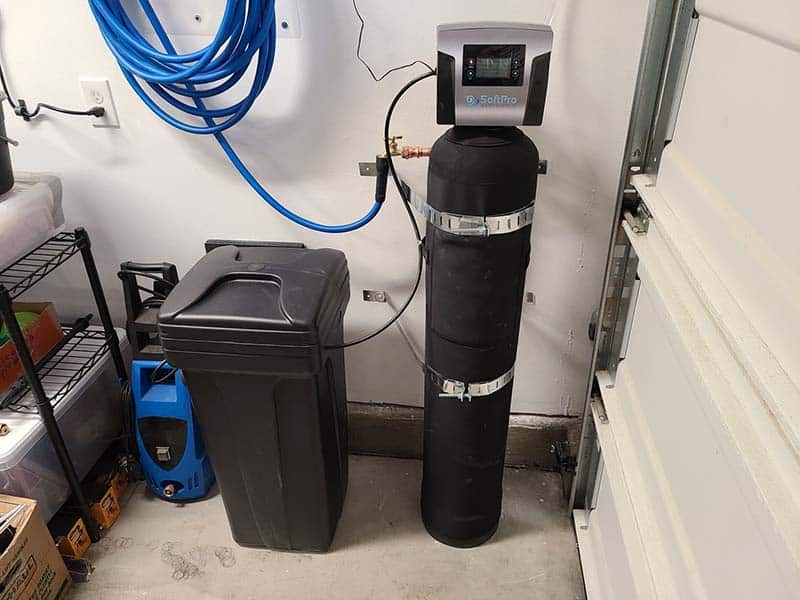
SoftPro Elite Water Softener Installed

Start With Water Testing

The first step in determining your water softener size is knowing exactly what’s in your water. You can’t properly size a system without understanding your water hardness level. We recommend getting a comprehensive water test that measures both hardness and iron content. You can use a home test kit or, for more accurate results, have your water professionally tested.

Calculate Your Daily Water Usage

Understanding how much water your household uses each day is crucial for proper sizing. While the average person uses about 75 gallons per day, your actual usage might be different. Consider all your water-using activities: showers, laundry, dishwashing, cooking, and cleaning. If you have a water bill handy, you can divide your monthly usage by 30 to get your daily average.

Consider Your Water Hardness Number

Your water test results will show hardness in either grains per gallon (GPG) or parts per million (PPM). If your results are in PPM, divide by 17.1 to convert to GPG. For example, if your water tests at 171 PPM, your hardness is 10 GPG. This number is essential for determining how hard your water softener will need to work.

Factor in Iron Content

Iron can significantly impact your softener size needs. For every 1 PPM of iron in your water, add 4 GPG to your hardness number. So if your water has 2 PPM of iron and 10 GPG of hardness, your total hardness number for sizing purposes would be 18 GPG (10 + 8). You may need an iron filter to go along with your water softener, especially if you are on well water. Check here:

this page

Do the Math

Now it’s time to put these numbers together. Multiply your daily water usage by your total hardness number. For example, if a family of four uses 300 gallons per day and has 18 GPG total hardness, their daily softening requirement would be 5,400 grains (300 × 18 = 5,400).

Plan for Weekly Regeneration

Water softeners work best when they regenerate about once per week. To determine your system size, multiply your daily grain requirement by 7. Following our example above, 5,400 grains per day × 7 days = 37,800 grains per week. You’d want to choose a system with at least a 40,000-grain capacity.

Build in a Safety Margin

It’s wise to add about 20% to your calculated size to account for guests, unexpected usage, and future needs. This extra capacity helps ensure efficient operation and longer system life. In our example, adding 20% would suggest a system size of around 48,000 grains.

Special Considerations

Some situations require additional thought when determining size. If you have a large garden, a pool, or specialty water features, you’ll want to factor in this extra usage. Similarly, if you’re planning home additions or family growth, consider sizing up to accommodate future needs.

Installation Space Requirements

Part of determining your water softener size involves checking your available installation space. Measure the area where you plan to install the system, including height clearance. Remember that you’ll need space for both the mineral tank and the brine tank, plus room for maintenance access.

Energy Efficiency Factors

A properly sized water softener will be more energy efficient. When systems are too small, they regenerate too frequently, wasting salt and water. Systems that are too large waste resources during regeneration. The right size means optimal efficiency and lower operating costs.

Making Your Final Decision

Once you’ve worked through these steps, you’ll have a clear idea of your minimum size requirements. If you’re between sizes, we usually recommend going with the larger option. While it might cost a bit more upfront, the improved efficiency and reduced maintenance often make it worth the investment.

Need help working through these calculations? We’re here to assist! Free Sizing Tool: How many grains do i need for a water softener? Our water treatment experts can help you determine the perfect water softener size for your specific situation. Remember, taking the time to size your system correctly now will lead to better performance and lower costs over the life of your softener.

Revamp Your Space with Decorative Wall Panels: A Stylish UpgradeRevamp Your Space with Decorative Wall Panels: A Stylish Upgrade


Revamp Your Space with Decorative Wall Panels: A Stylish Upgrade

Decorative wall panels are an excellent choice for creating unique [dcl=3972] in your home. Decorative wall panels are transforming home interiors by combining flair, usefulness, and sustainability. Whether you want to create an accent wall or refresh a whole space, these panels provide limitless design options to meet your ideas. Continue reading to learn why decorative wall panels are an essential component of modern home design.

Why Decorative Wall Panels Are a Top Choice for Homeowners

Versatile Design for Every Style

One of the key benefits of using [dcl=3972] is the added texture and depth it brings to any space. Decorative wall panels are available in a variety of finishes, textures, and patterns, making them suitable for any aesthetic. Whether you prefer the rustic warmth of wood, the sleek beauty of 3D designs, or neutral tones for a minimalist atmosphere, there’s a panel for you.

Benefits of versatility include:

  • It enhances any space, from bedrooms to offices.
  • Customizing panels with stains, paints, or finishes to suit your decor.
  • Mixing and matching patterns for a unique design.

Built to Last

Decorative wall panels are designed for durability as well as aesthetic appeal. Their sturdy materials are resistant to scratches, dents, and stains, ensuring that they retain their appeal throughout time. With little maintenance, you can keep them looking brand new for years.

Advantages of durability:

  • Ideal for high-traffic areas like hallways or living rooms.
  • Reduced costs on frequent repairs or repainting.
  • Withstanding moisture when treated appropriately, perfect for kitchens and bathrooms.

Unleash Creativity with Decorative Wall Panels

Popular Applications

The versatility of ornamental wall panels enables you to look beyond standard applications. Some innovative applications are:

  • Accent Walls: Add a focal point to your living room or bedroom.
  • Ceiling Designs: Transform ceilings into a work of art.
  • Furniture Enhancements: Use panels on cabinet doors or headboards for a custom touch.

Functional Benefits Beyond Beauty

These panels aren’t just decorative; they offer practical benefits such as:

  • Noise reduction with acoustic designs.
  • Improved insulation, keeping energy bills in check.
  • Easy installation with peel-and-stick or tongue-and-groove systems.

Why Decorative Wall Panels Are a Sustainable Choice

Homeowners are increasingly choosing environmentally responsible solutions, and ornamental wall panels are no exception. Many are built of responsibly sourced materials, which correspond with green building techniques.

Key sustainable features:

  • Use of renewable wood sources.
  • Long life spans reduce environmental waste.
  • Availability of recycled-material panels for added eco-consciousness.

How to Choose the Right Decorative Wall Panels

Selecting the ideal panels for your home can be overwhelming. Here’s a breakdown to simplify your choice:

Material Matters

  • Wood: Warm, natural, and timeless.
  • MDF: Affordable and customizable.
  • PVC: Durable and moisture-resistant.

Finishes to Consider

  • Textured for a bold statement.
  • Smooth for sleek, modern looks.
  • Painted or natural wood tones for versatile decor.

Room-Specific Needs

  • Acoustic panels for soundproofing.
  • Moisture-resistant panels for bathrooms or kitchens.
  • Lightweight options for easy installation in small spaces.

FAQs About Decorative Wall Panels

1. Are decorative wall panels simple to maintain?
Yes, they’re low-maintenance. Most panels only need occasional cleaning with a damp cloth to stay pristine.

2. Can decorative wall panels be installed DIY?
Absolutely! Many modern panels, such as peel-and-stick designs, are simple to install without professional help.

3. Are decorative wall panels environmentally friendly?
Many are made using sustainably sourced materials or recycled content, making them a green choice for eco-conscious homeowners.

4. Do decorative wall panels work in small spaces?
Yes! Decorative wall panels can add depth and texture to small rooms without overwhelming the space, especially with light-colored designs.

5. Can I use decorative wall panels outdoors?
Some decorative wall panels are designed for outdoor use, but ensure they are treated for weather resistance.

Elevate Your Interiors Today

Homeowners looking for a durable and stylish solution often turn to [dcl=3972] for their spaces. Decorative wall panels are more than just a home makeover; they represent an investment in design, utility, and sustainability. From creating a striking accent wall to providing insulation, these panels redefine what it means to have a gorgeous and functional home.

Ready to revamp your space? Embrace the elegance of decorative wall panels today and transform your interiors like never before!